
Entertainment has become one of the clearest examples of how technology can transform an established industry. Across entertainment News 129 Online, companies are adapting to subscription services, online creators and personalized content. These recent stories and updates affect traditional media companies, technology platforms, advertisers and independent creators.
Digital Platforms Reshape Television and Film
Online video services have changed the traditional television and film market. Consumers can choose from large libraries of content without depending entirely on fixed broadcast schedules.
As the number of services has increased, competition has become more complicated. Platforms compete through exclusive programs, original productions and pricing. Consumers, meanwhile, may reconsider how many subscriptions they want to maintain.
This makes streaming relevant to reports and analysis. Media companies must balance the cost of producing content with the need to attract and retain paying audiences.
Streaming Business Models Continue to Evolve
Subscription fees were initially one of the defining characteristics of many streaming services, but advertising is becoming more prominent. Some platforms now offer lower-priced plans supported by advertising.
This approach can provide consumers with more choices while creating additional revenue opportunities for media companies. Advertisers also gain access to audiences that have gradually moved away from traditional television.
The development demonstrates how digital businesses often evolve after reaching a large audience. Companies may initially prioritize growth before placing greater emphasis on profitability, advertising and customer retention.
Audiences Discover More Content Through Social Media
Social platforms increasingly compete for entertainment time. Short videos can reach large audiences quickly, allowing artists, publishers and online personalities to distribute content without relying exclusively on traditional media channels.
Recommendation algorithms play an important role in this environment.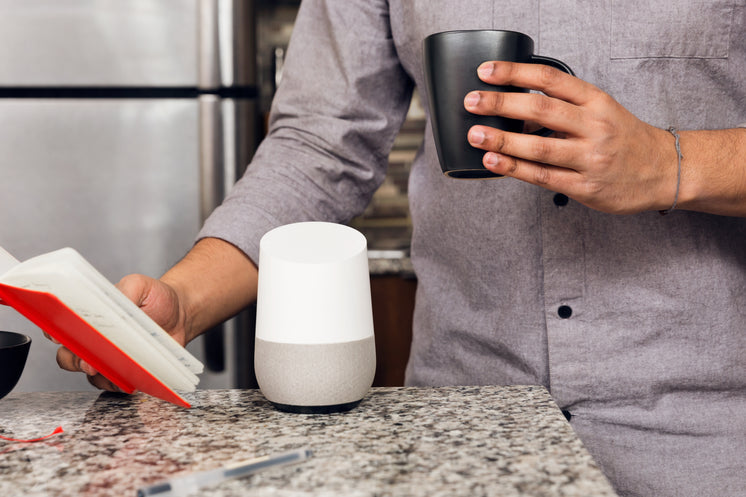 Instead of actively searching for every piece of content, users receive a continuously changing selection based on previous viewing behavior, interactions and interests.
This has changed how trends emerge. A song, video or story can gain attention rapidly and spread across different platforms, current reports becoming part of trending topics. The boundary between social networking and entertainment is therefore becoming increasingly difficult to define.
Independent Creators Build Their Own Audiences
The growth of online platforms has allowed individual creators to reach audiences directly. Video creators, podcasters, writers and other media producers can build communities around specialized interests that might previously have been too narrow for traditional mass media.
Revenue can come from advertising, subscriptions and News 129 Online sponsorships. Successful creators may eventually operate businesses with employees, production teams and multiple revenue streams.
This creator economy increasingly appears in business articles. It demonstrates how lower distribution barriers can create new opportunities while also producing intense competition for audience attention.
Audio Content Develops Alongside Video
Video attracts significant attention, but digital audio remains an important part of the media market. Podcasts provide content covering news, business, entertainment and education.
Audio has practical advantages because listeners can consume it while traveling, walking or performing routine activities. This makes podcasts different from formats that require continuous visual attention.
Publishers and creators are experimenting with video versions, memberships and premium episodes. The long-term business models for digital audio continue to develop alongside changing audience habits.
The Media Industry Experiments With Artificial Intelligence
Artificial intelligence is increasingly connected with media production, editing and content discovery. AI tools can assist with tasks such as organizing material, generating subtitles and analyzing content.
Generative technology also creates more complicated questions. Systems capable of producing realistic images, voices and video raise concerns involving creative ownership, misinformation and the use of performers’ identities.
These issues frequently appear in current online articles affairs. The media industry will need to determine where automated tools provide practical benefits and where stronger rules or safeguards are appropriate.
Media Companies Compete for Limited Consumer Time
Consumers have access to an enormous amount of entertainment. Movies and television compete with music, streaming platforms and digital communities. The amount of available content can grow much faster than the amount of free time people have.
This creates an attention economy in which discovery becomes extremely important. Recommendation systems, search engines and social networks can influence which articles, videos, songs and programs reach audiences.
For media companies, producing good content is therefore only one part of the challenge. They also need effective ways to distribute content, attract attention and encourage viewers to return.
Digital Media Does Not Replace Every Physical Experience
Despite the growth of digital entertainment, physical experiences such as concerts, festivals, cinema screenings and sporting events continue to attract audiences.
Live entertainment offers a social experience that digital services cannot completely reproduce. At the same time, technology is becoming integrated into these events through streaming, social content and personalized communication.
This combination illustrates a broader pattern across the media industry: digital technology often changes existing experiences rather than simply eliminating them.
Entertainment Continues Its Digital Transformation
The entertainment market is unlikely to settle around a single platform or business model. Audiences use different services depending on content, price, convenience and personal interests.
Streaming, social platforms, creators, artificial intelligence and traditional media will continue to influence one another. Companies capable of understanding changing audience behavior may have an advantage as competition develops.
Following recent stories and articles can provide useful context for these changes. Entertainment connects social trends, online media and the global economy, making it one of the latest trends and developments worth following.
There are no comments