
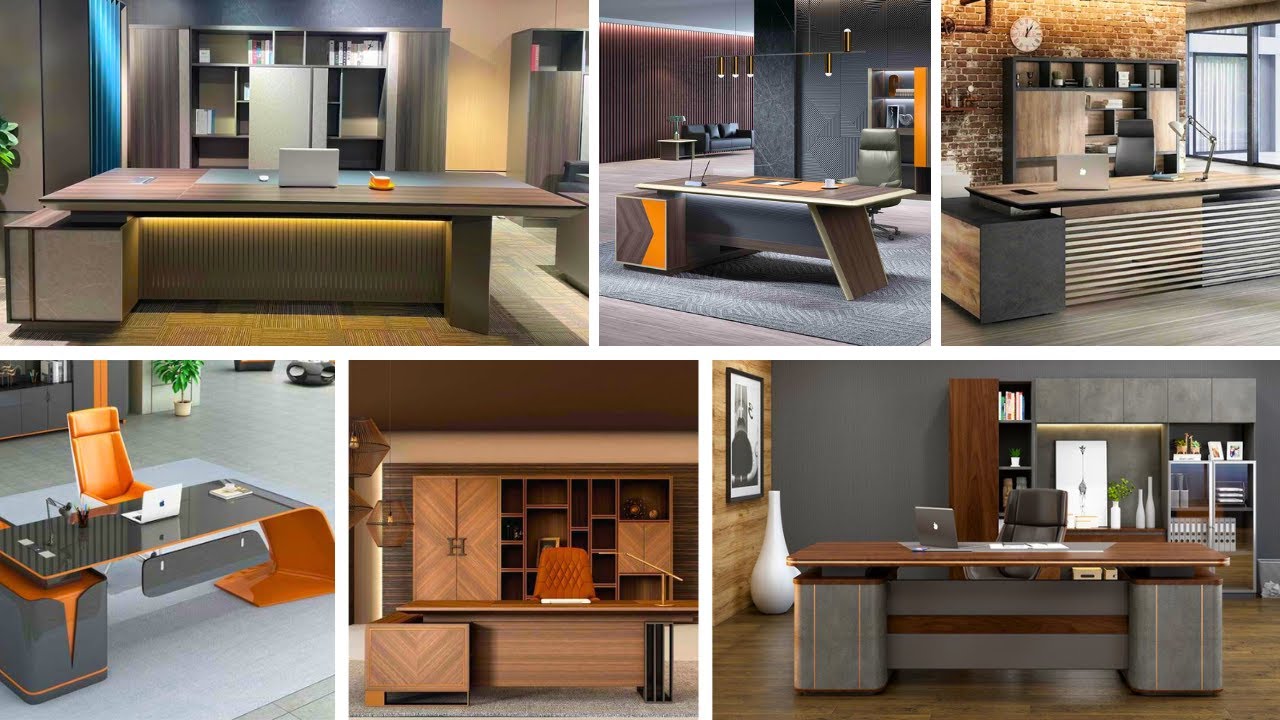
A successful workplace needs furniture that makes everyday activities easier while maintaining a professional appearance. Employees spend a large part of their working day at their desks, so the furniture they use should provide enough room for equipment, paperwork, and personal work materials. The Office table is one of the central elements of a workstation because it combines practical workspace with the overall design of the office. From compact desks for small rooms to spacious workstations for larger departments, businesses can choose from many options based on their space, working style, and budget.
The Importance of Practical Office Furniture
Office furniture affects more than the appearance of a workplace. It can influence how employees organize their tasks, communicate with colleagues, and move around the office. A suitable table gives workers a defined area for completing daily responsibilities and helps keep essential items within reach. When the workstation is properly planned, employees can arrange their computers, files, stationery, and other equipment without overcrowding the available surface.
A practical furniture setup can also make cleaning and maintenance easier. Clear surfaces and organized storage reduce unnecessary clutter and help create a workplace that feels comfortable throughout the day. For business owners, this means furniture selection should focus on everyday usability as well as appearance.
Finding the Right Design for Each Department
Different departments may require different types of furniture. Employees who mainly work with computers may need a straightforward rectangular desk with sufficient monitor and keyboard space. Staff members who handle paperwork may benefit from larger surfaces or nearby storage. Managers may require additional room for meetings, documents, and equipment.
Reception areas also have unique requirements. Reception desks often need to accommodate computers, telephones, visitor records, and other supplies while presenting a professional first impression. Conference rooms require tables that provide comfortable seating and enough space for meetings, presentations, and group discussions.
Understanding the purpose of each workspace before buying furniture can prevent businesses from choosing unsuitable designs. Instead of selecting identical furniture for every room, companies can create a coordinated environment using pieces that match the function of each area.
Choosing the Best Shape for Your Workspace
The shape of a desk can influence how efficiently a room is used. Rectangular tables remain popular because they are versatile and can fit against walls or into workstation clusters. They are suitable for individual employees and can also be arranged together for larger teams.
L-shaped furniture offers a wider working surface while using corners effectively. This design can be useful for employees who need separate areas for computer work, paperwork, or communication. Round and oval tables are more commonly found in meeting spaces because their shape encourages direct interaction between participants.
For businesses that frequently change their layouts, modular furniture can provide additional flexibility. Different components can be rearranged as departments grow or office requirements change.
Considering Workspace Dimensions
Measurements should be taken before any furniture purchase. The available room must accommodate the table, office chair, storage units, walkways, and other necessary equipment. A large desk may provide plenty of workspace but can create problems if it leaves insufficient room for movement.
Small offices can benefit from compact furniture with practical storage features. Larger workplaces have more flexibility but still need careful planning to avoid creating unnecessary empty areas or inefficient layouts. Furniture placement should support natural movement between workstations, meeting rooms, storage areas, and entrances.
Planning the layout in advance can also make future expansion easier. Businesses should think about whether additional employees or equipment may need to be accommodated later.
Selecting Durable Materials
Frequent daily use means office furniture should be built to last. The material should be appropriate for the amount of use, maintenance routine, and style of the workplace. Laminate and engineered wood are common choices because they can provide practical surfaces and a wide range of finishes. Metal components can add structural strength, while selected glass elements may provide a lighter visual appearance.
The quality of construction is important regardless of the material. Strong joints, stable supports, reliable drawer mechanisms, and properly finished edges can contribute to long-term performance. Businesses should inspect these details rather than judging furniture only by its surface appearance.
Easy maintenance is another useful feature. Surfaces that can be cleaned easily are practical for busy offices where furniture is used continuously.
Supporting a Comfortable Working Position
Comfort should be considered when planning every workstation. Employees need enough space to position their chairs properly and work without unnecessary restrictions. The height of the desk should also be compatible with the chair and computer setup.
Legroom is an important detail that is sometimes overlooked. Storage drawers and cabinets should not interfere with the employee’s ability to sit comfortably. There should also be enough space to move naturally while reaching documents or other equipment.
Businesses may also consider adjustable-height furniture when they want to provide employees with greater flexibility. The most suitable solution depends on the type of work being performed and the needs of the people using the workspace.
Keeping Workstations Neat and Functional
A cluttered workstation can make everyday work more difficult. Employees need convenient places to store documents, stationery, office supplies, and personal items. Drawers, pedestals, cabinets, and shelves can reduce the amount of material kept directly on the desk.
Modern offices also have many electronic devices, making cable management increasingly important. Monitors, computers, telephones, chargers, and other equipment can produce a large number of cables. Tables with cable-management features can help keep wires organized and reduce visual clutter.
An organized workstation is easier to clean and can create a more professional impression when clients or visitors enter the office.
Creating a Consistent Office Appearance
Furniture plays a major role in workplace aesthetics. Businesses can create a consistent appearance by coordinating desk finishes with chairs, storage cabinets, reception furniture, and meeting-room pieces. Consistency can make different areas of an office feel connected.
Color and material choices can also influence the atmosphere. Neutral finishes may create a simple corporate setting, while natural wood tones can provide a warmer feel. The selected style should reflect the company’s identity without sacrificing functionality.
A professional appearance does not require every piece of furniture to be identical. Businesses can use complementary designs to create variety while maintaining visual harmony.
Office Furniture for Businesses in Manila and Quezon City
Companies in Manila and Quezon City have diverse office requirements. Small businesses may need space-saving workstations, while established organizations may require complete furniture arrangements for multiple departments. Schools, clinics, corporate offices, government facilities, and professional firms may also have different requirements based on their operations.
Local businesses should evaluate available floor space, employee numbers, storage requirements, expected furniture usage, and budget before making a decision. Furniture should fit the physical space while supporting the company’s daily workflow.
For offices with limited space, carefully selected workstation designs can help accommodate employees without making the environment feel crowded. Larger offices can use dedicated zones for individual work, meetings, collaboration, and storage.
Common Furniture Buying Errors
Buying furniture without measuring the room is one of the easiest mistakes to make. Businesses may also focus too heavily on price and overlook construction quality or long-term maintenance. Another problem is choosing furniture that looks attractive but does not provide enough room for daily work.
Ignoring employee needs can also lead to poor decisions. The people who use the workstations every day can provide useful feedback about comfort, storage, desk size, and workflow. Businesses should consider this practical input before finalizing their furniture choices.
It is also important to think about future needs. A company that expects to expand may benefit from flexible furniture that can be added to or rearranged later.
Making a Smart Long-Term Furniture Decision
Office furniture should provide value throughout its useful life. A good purchasing decision considers more than the initial cost. Businesses should evaluate durability, maintenance, functionality, comfort, appearance, and the ability to adapt to future changes.
A well-planned workspace can help employees stay organized while giving visitors a positive impression of the company. When furniture is selected according to actual workplace requirements, businesses can create an environment that is practical without feeling crowded or uncomfortable.
Conclusion
Choosing suitable office furniture requires attention to workspace dimensions, employee comfort, durability, storage, layout, and visual consistency. The right furniture can support everyday productivity while helping businesses maintain an organized and professional environment. Companies should compare different designs and materials carefully before making their final choice. For businesses seeking practical workplace solutions, Modern office table designs can offer useful options for creating comfortable and well-planned office interiors.
There are no comments