The Future of Construction: Advanced PUR Bonding Solutions

Reactive polyurethane adhesives are transforming the construction sector UV coating supplier by delivering exceptionally robust, adaptable, and enduring bonds than conventional adhesives. Unlike conventional glues that depend solely on evaporative curing, PUR formulations cure through a chemical reaction with airborne moisture, forming a high-strength polymer network that withstands extreme temperatures, humidity, and mechanical stress. This makes them essential for critical assemblies where reliability is non-negotiable.

A key application is in the construction of off-site built elements. Manufacturers are now utilizing reactive polyurethane bonds to securely bond prefabricated façade units, beam supports, and decking systems with rapid, consistent alignment. The fast curing time enables reduced installation cycles, drastically reducing construction duration and overhead costs. Simultaneously, the adhesive delivers excellent vibration dampening and thermal insulation, which enhances overall building performance.

In flooring installations, PUR adhesives are superseding legacy chemical adhesives. They enable permanent attachment of wood, laminate, and engineered flooring to subfloors without the need for mechanical fasteners. This not only creates a clean, uninterrupted surface but also minimizes floor-to-floor acoustic transfer, making them ideal for residential and commercial high-rise buildings.

A growing trend is in the attaching thermal barriers. PUR adhesives are being used to attach rigid insulation substrates to exterior cladding and roofing decks, forming a continuous thermal envelope. The adhesive itself adds R-value and thermal resistance and removes conductive pathways from mechanical fasteners, dramatically boosting building energy ratings and helping structures achieve net-zero energy targets.

Design professionals and builders are also pioneering high-clarity PUR systems in curtain wall systems and glass bonding. The optical transparency and weather durability of certain PUR formulations allow for seamless, undetectable joints between glass units and metal mullions. This enables larger, uninterrupted glass surfaces that maximize natural light while ensuring load-bearing stability.

Even in retrofit and restoration projects, reactive bonding technologies are delivering critical performance. They can secure contemporary elements to aged substrates such as brick, stone, or deteriorated concrete. Their capacity to accommodate movement and stress eliminates long-term bond failure, maintaining historical authenticity.

In response to green building mandates, the eco-conscious formulation of modern PUR adhesives makes them a sustainable alternative. Many formulations are non-toxic and VOC-free, minimizing pollution and supporting healthy interiors. Manufacturers are also advancing renewable-resource polymers from renewable resources, further reducing the environmental footprint.

The building sector is embracing smart, holistic building solutions, and reactive bonding technologies are at the center of this evolution. Their versatility, strength, and adaptability make them an essential building technology—they are a strategic asset in building intelligent, resilient, and eco-conscious buildings for the era of sustainable development.

Hot Melt Adhesive Failures: How to Diagnose and Resolve Key Issues

Hot melt adhesives are widely used in packaging, woodworking, crafting, and manufacturing because they bond quickly and solidify upon cooling.

Even though hot melts are simple to apply, several factors can lead to inconsistent or weak results.

Another prevalent concern is the adhesive failing to stick properly.

If your adhesive isn’t sticking properly, check the surface first.

Dust, oil, or moisture can prevent a strong bond.

Always prepare surfaces using a clean, dry towel or a recommended degreasing agent.

Verify that the heating element is adjusted to the optimal operating range.

Too low a temperature means the adhesive won’t flow well or penetrate the surface.

Too high can burn the adhesive, reducing its stickiness.

Always follow the manufacturer’s recommended temperature range.

Excessive stringing or unwanted drips are common frustrations.

This happens when the adhesive oozes out after you release the trigger.

This is often caused by excessive heat or a slow withdrawal of the nozzle.

Lower the temperature slightly and pull the gun away quickly after applying the adhesive.

Using a nozzle with a smaller opening can also help control the flow.

Rapid solidification can prevent the adhesive from achieving full contact.

This is common in cold environments.

Warm the room or the materials you’re bonding to improve the working time.

You can also try using a low melt adhesive, which remains workable at lower temperatures.

Frequent clogging is a typical complaint among users.

This usually occurs when you leave the adhesive in the gun for too long or use the wrong type of adhesive stick.

Only use adhesive cartridges specifically designed for your model.

Never store a hot glue gun—wait until it reaches ambient temperature.

Circulate new adhesive to dissolve and https://topsitenet.com/profile/polymerpro/1566657/ expel hardened remnants.

Never use metal tools to clear the nozzle—this can damage the internal components.

Air bubbles in the bond line can weaken the joint.

Excessive force or overly viscous glue traps air between surfaces.

Use a uniform application and apply consistent, moderate pressure.

Avoid shifting or stressing the joint until the adhesive has fully set.

Finally, if the bond fails after a few days, the adhesive may not be suitable for the materials or environment.

Not all hot melt adhesives are engineered for weather or thermal stress.

Check the adhesive’s specifications to ensure it matches your application conditions.

Select a UV-stable or hydro-resistant grade for outdoor or wet applications.

Routine care and dry storage extend equipment life and adhesive effectiveness.

Study the manufacturer’s guidelines to optimize performance.

With the right setup and attention to detail, hot melt adhesives can deliver reliable, strong bonds every time

PU or Acrylic? The Ultimate Exterior Paint Showdown

When choosing paint for exterior surfaces, homeowners and contractors often weigh the benefits of polyurethane-based paints against acrylic paints. Both types have their pros and cons, and the best choice depends on the specific conditions of the surface, the regional weather patterns, and the visual quality and lifespan.

Polyurethane paints are known for their exceptional toughness and resilience. They form a robust sealing layer that resists abrasion, solvents, and sun damage better than many other paint types. This makes them ideal for areas subject to heavy use such as railings, entryways, and industrial facades. They also adhere well to a variety of substrates including wood, metal, and concrete. However, PU formulations tend to be more expensive and require precise technique. They often need specific primers and have extended cure periods. In cold or humid conditions, their polymerization may delay, which may extend the timeline.

Acrylic paints, on the other hand, are water based and hardener supplier China have become the top pick for homes. They set in hours, clean up easily with water, and emit fewer volatile organic compounds, making them more environmentally friendly. Acrylics are stretchable, which allows them to move with substrate shifts without cracking. This is especially useful in regions with wide seasonal temperature swings. They also offer long-lasting pigmentation and are available in a multiple surface textures from eggshell to gloss.

While they are not as durable under heavy use, modern formulations have improved their resistance to fading and mildew significantly.

In terms of maintenance, acrylic paints typically require reapplication every 5–10 years depending on exposure to sun and weather. urethane coatings can last up to fifteen years or more under optimal conditions, but may be harder to touch up due to their high sheen and solvent-based nature. Repainting over an existing polyurethane layer often requires sanding or stripping to ensure proper bonding.

Climate plays a major role in the decision.

In high-UV regions, polyurethane’s superior UV resistance may make it the better long term option. In areas with heavy rainfall or humidity, acrylic’s breathability helps prevent moisture buildup behind the paint, reducing the risk of bubbling and fungal growth.

Cost is another consideration. Water-based options are typically less expensive both in initial cost and installation, since they are easier to apply and clean up. PU coatings may offer better ROI due to their extended durability, but the initial cost is substantial.

Ultimately, for typical residential properties, acrylic paint offers the best balance of performance, cost, and ease of use. For business facades, machinery, or high-stress zones, polyurethane paints provide a heavy-duty, long-lasting alternative. The key is selecting the right product for the specific substrate and climate rather than choosing based on trend or convenience.

Accelerate Production by Mastering Adhesive Curing Dynamics

Faster adhesive curing directly translates to increased throughput and lower operational costs.

Slow-curing adhesives create workflow bottlenecks, prolonging cycle times and inflating labor expenses.

The first step is selecting the right adhesive for your application.

The curing behavior of adhesives varies dramatically between types like instant-bond cyanoacrylates, heat-activated epoxies, light-triggered UV systems, and oxygen-blocking anaerobics.

Choose one that matches your substrate materials and environmental conditions.

For example, UV adhesives cure almost instantly under ultraviolet light, making them ideal for high-speed assembly.

Next, ensure consistent application.

Too much or too little adhesive can slow curing or weaken the bond.

Invest in robotic dispensers to eliminate human error and ensure repeatable results.

Proper surface preparation is equally critical.

Grease, particles, and polyurethane hardener humidity disrupt chemical bonding and inhibit polymerization.

Wipe down substrates with isopropyl alcohol or acetone, then apply plasma or corona for enhanced adhesion.

Environmental conditions are powerful influencers of cure kinetics.

Many adhesives cure faster in warmer conditions.

Use targeted heat sources like IR panels or thermal platens to accelerate curing in critical zones.

Avoid excessive humidity, which can affect certain chemistries like cyanoacrylates.

For sensitive applications, create a controlled curing zone with environmental monitoring.

Mismatched wavelengths or degraded output can turn seconds into minutes.

Outdated or misaligned lamps can drastically increase cure times.

A calibrated system ensures every part receives the same energy dose, eliminating variability.

A small increase in dwell time or a 5mm reduction in lamp-to-part distance can dramatically improve cure depth.

Some adhesives benefit from a secondary curing phase to maximize performance.

After UV exposure, a brief oven cycle can complete polymerization and enhance mechanical strength.

A postcure step can improve peak bond strength by 20–40% while shortening the total process duration.

Use controlled experiments to map cure time versus strength, identifying the sweet spot for your line.

When adhesive selection, process control, and maintenance align, production speed increases without compromising reliability.

Implement one variable at a time and validate bond strength with pull tests or microscopy

PUR or PU? The Ultimate Guide to Selecting the Right Polyurethane Adhesive

When deciding between adhesives for your work you may encounter two leading types: polyurethane reactive and traditional polyurethane. While both are based on polyurethane chemistry, they are not interchangeable, and knowing how they vary can ensure you select the best fit for your needs. PUR is short for polyurethane reactive a moisture-curing, cross-linking formulation, while traditional polyurethane is commonly abbreviated as PU.

Standard PU adhesives harden through atmospheric humidity. This mechanism is straightforward and works reliably in common scenarios such as joinery projects, industrial joinery, and low-stress fabrication. They remain pliable after curing and withstand shocks and vibrations, perfect for applications with thermal expansion. Full strength development can be slow, under arid conditions, and lose effectiveness in wet conditions or high-heat or freezing settings.

Unlike standard PU, PUR adhesives are designed to cure via moisture absorption and hardener supplier China simultaneously triggering a deeper chemical polymerization, producing superior long-term integrity. This dual-cure mechanism enables PUR to set up rapidly, curing to maximum durability faster than conventional PU. They exhibit superior protection heat, moisture, and solvents, making them ideal for outdoor use, auto body bonding, and high-performance production. They deliver reliable results across changing environmental conditions.

A key limitation of PUR is the equipment required. It’s supplied in pressurized cartridges or large drums and needs to be melted to a controlled viscosity to become usable. Once cooled, it solidifies rapidly, making cleanup difficult. This complexity makes PUR less practical for small DIY tasks.

For large-scale industrial applications, or your project demands enduring structural integrity, PUR is the better choice. For smaller-scale projects, if you value straightforward application, standard polyurethane formulations can meet your needs adequately more affordably.

Consider your specific application: the substrates involved, your working environment, and your available equipment and expertise. For professional manufacturing applications, opt for PUR. For everyday tasks, stick with traditional PU. Each has proven reliability, but your optimal selection hinges on your objectives.

Top Hot Melt Adhesive Errors and Their Solutions

A frequent error in hot melt application is using an incorrect temperature setting

Operating at too low a temperature causes poor wetting, resulting in unreliable adhesion and visible gaps

Overheating the adhesive risks thermal degradation, which diminishes bond strength and creates unpleasant odors or smoke

Refer to the technical data sheet for the ideal heat settings and invest in a precision-regulated applicator for stable results

Another frequent error is not allowing enough time for the adhesive to cool and set

While initial grip happens rapidly, the core must cool completely to achieve maximum strength

Rushing the process by moving or stressing the bonded parts too soon can lead to bond failure

Consult the product’s technical bulletin for recommended cure windows

Using the wrong type of hot melt adhesive for your application is also a common mistake

Some are designed for UV curing paint porous materials like paper or wood while others are made for plastics, metals, or high-temperature environments

Using the wrong formulation can result in poor adhesion or premature failure

Always match the adhesive to the substrate and the environmental conditions your product will face

Many operators guess the volume needed instead of measuring it precisely

Too much can lead to messy overflow, longer cleanup times, and wasted material

Too little can result in incomplete coverage and weak bonds

Calibrate your applicator settings based on substrate geometry, speed, and bond requirements

Poor surface preparation is often overlooked

Oil, grease, dust, moisture, or mold release agents create barriers that block molecular adhesion

Surface contamination is a silent culprit behind unexpected adhesive failures

Allow at least 5–10 minutes for evaporation before adhesive application to ensure full dryness

Finally, not maintaining your equipment properly can lead to clogs, inconsistent flow, and downtime

Carbonized adhesive, dried beads, or charred material can obstruct flow and cause splattering

Worn gears, seals, and heaters compromise performance and safety

Keeping your tools in good condition ensures reliable performance every time

Proper technique transforms hot melt application from a chore into a precision process

Smart practices cut material usage and minimize production delays

When done right, hot melt bonding becomes a dependable, high-speed solution

Proper Handling and Disposal of Leftover Isocyanate Materials

Leftover isocyanate compounds are highly dangerous and must be managed with strict care to prevent exposure and ecological damage

Never attempt to manage these substances without proper protective measures

Wear heavy-duty chemical gloves, sealed eye protection, a face guard, and a respirator equipped with activated carbon filters for UV lacquer organic vapors

Never handle even trace quantities of isocyanates without this level of protection

Store the leftover material in a durable, non-reactive container that prevents leakage or vapor escape

Select containers made from polyethylene, coated steel, or fiberglass-reinforced resin that won’t degrade upon contact

Clearly mark the container with: “Hazardous Waste – Isocyanate – Do Not Open – Keep Sealed”

Do not pour, flush, or throw isocyanate byproducts into municipal waste or sewer lines

Improper disposal may contaminate soil and water, endangering public health and attracting regulatory sanctions

Avoid any heat-based disposal method that could release toxic fumes

Incineration may produce deadly hydrogen cyanide, isocyanic acid, and other volatile toxic compounds

Contact your local hazardous waste collection center or a licensed chemical waste disposal vendor to arrange professional removal

Local authorities often provide free or low-cost disposal options for registered hazardous materials

Submit the manufacturer’s SDS to help them identify the exact chemical composition and handling requirements

Use only solvents explicitly endorsed in the product’s technical documentation for decontamination

Treat contaminated absorbents, cloths, and protective gear as regulated hazardous material

Only reuse items after rigorous testing and approval from a hazardous materials expert

Document every step: amount disposed, disposal date, transporter, and facility permit number

Proper documentation protects your business during regulatory inspections

Review and update your site’s safety protocols to minimize future accumulation of isocyanate waste

Order isocyanates in precise amounts to avoid surplus

Keep remaining isocyanates in a locked, fire-resistant cabinet away from moisture and heat sources

Train every employee on safe handling, storage, and disposal procedures for isocyanates

Proper disposal of residual isocyanates protects workers, communities, and ecosystems while ensuring full regulatory compliance

If you’re unsure about disposal methods, reach out to the EPA, OSHA, or a hazardous waste specialist

One-Component vs Two-Component Adhesives: Which Is Right for You?

When deciding on an adhesive for your application one of the most essential decisions is whether to use a single-part or a two-component system. Each system has unique advantages and drawbacks, and understanding these differences can help you make the optimal choice for your particular needs.

Single-part adhesives are out-of-the-container functional without any mixing. They typically cure through interaction with atmospheric water, elevated temperature, or light-triggered polymerization. This user-friendly nature makes them excellent for hobbyists, minor repairs, or any situation where speed and simplicity matter. They are frequently applied in home fixes, creative endeavors, and non-structural assembly. Because they are pre-formulated, they deliver predictable bonding, and offer a prolonged usability when maintained under recommended conditions. However, they may cure slowly, and often fall short in durability of two-component systems, particularly under high stress.

Two-part resins require measured blending of two separate components—usually a base and catalyst—just before application. These components undergo a chemical reaction when combined, forming an industrial-grade bond. These adhesives are commonly employed in load-bearing assemblies such as vehicle assembly, aerospace construction, and industrial equipment fabrication. They deliver significantly higher tensile strength, and exhibit enhanced durability under high temperatures, impact and vibration, and harsh solvents. However, they demand careful preparation, exact component proportions, and have a short working window after mixing. Residue is harder to clean, and inadequate blending can result in bond failure.

An additional key consideration is the intended use setting for the bonded joint. If the bond will be exposed to water, solvents, or temperature swings, a dual-part system is often the superior choice due to its greater resilience. For indoor, non-structural uses where user-friendliness matters more than maximum durability, a pre-mixed option may be adequate.

Budget implications also play a role. Single-part systems are typically economical, and PU hardener export can be applied without equipment. Two-component systems tend to be more expensive due to their specialized ingredients and the necessity of precision applicators.

Ultimately, the decision hinges on your main goals. If you need reliability under extreme conditions, choose a dual-part system. If you prioritize simplicity and convenience, a one-component adhesive is likely the ideal solution. Never skip consult the technical data sheet, and perform a trial application on a non-critical area before committing to a final assembly.

PUR vs PU Adhesives: Choosing the Best Bond for Your Project

When selecting an adhesive for your project you may encounter two popular choices: reactive and non-reactive polyurethane adhesives. Although both are derived from polyurethane, they differ significantly in behavior, and recognizing their unique characteristics can ensure you select the best fit for your needs. PUR stands for polyurethane reactive a moisture-curing, cross-linking formulation, while PU generally means standard polyurethane.

Standard PU adhesives harden through atmospheric humidity. The process is simple and reliable and is effective across a wide range of uses such as furniture assembly, industrial joinery, and basic manufacturing. They maintain elastic properties and withstand shocks and vibrations, making them ideal for projects where movement is expected. Curing may take hours to complete, particularly in dry climates, and lose effectiveness in wet conditions or high-heat or freezing settings.

On the other hand, PUR formulations are engineered to react with moisture plus initiating an additional curing phase, resulting in stronger, more durable bonds. This advanced curing process enables PUR to form an initial bond faster, curing to maximum durability faster than conventional PU. They exhibit superior protection thermal stress, liquid exposure, and industrial fluids, making them ideal for outdoor use, auto body bonding, and demanding manufacturing environments. Their bond strength remains stable across varied humidity and temperature levels.

A key limitation of PUR is the equipment required. It’s supplied in pressurized cartridges or large drums and needs to be melted to a controlled viscosity to become usable. It sets firmly in moments, posing challenges for tool cleaning. This complexity makes PUR unsuitable for home hobbyists.

For large-scale industrial applications, or you need a bond that withstands constant stress, PUR is likely the superior option. For home repairs, if you value straightforward application, traditional China PU hardener adhesives can perform effectively more affordably.

Assess the context of your bonding task: the surfaces being bonded, your working environment, and your available equipment and expertise. For heavy-duty industrial needs, select polyurethane reactive. For general-purpose bonding, use standard polyurethane. Each has proven reliability, but your optimal selection hinges on your objectives.

How UV Curing Enables Instant Hardening

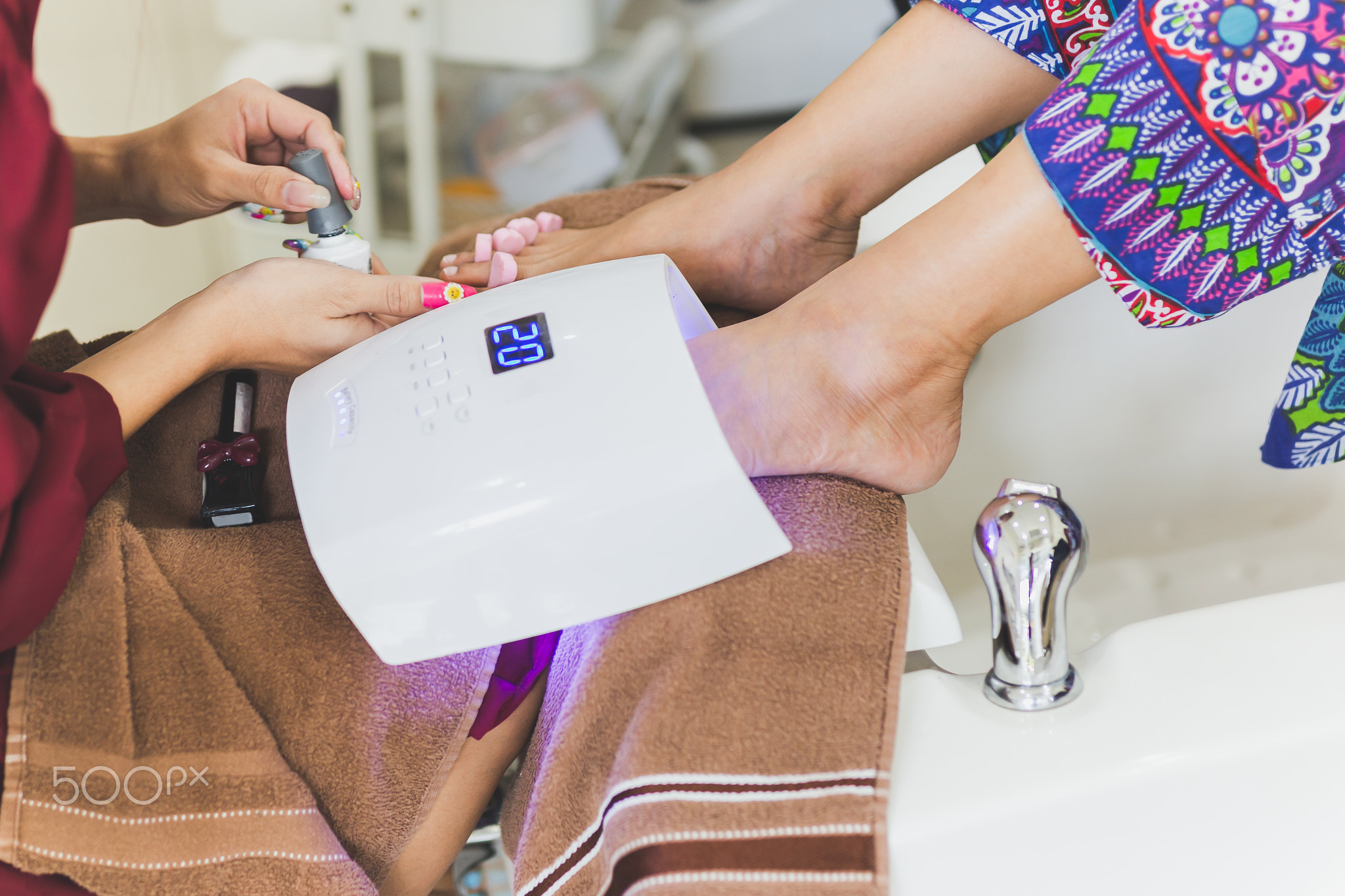
womans foot with a pedicure under UV lamp for drying varnish.

UV curing is a photochemical process that instantly hardens coatings, inks, adhesives, and resins — unlike conventional methods that depend on solvent evaporation or thermal activation, the reaction initiates the instant UV photons strike the surface. This shift slashes curing durations from prolonged intervals to just a few seconds.

The foundation of effective UV curing lies in the precise formulation of the material. These formulations contain specialized photoinitiators that, upon receiving targeted UV radiation, decompose into high-energy intermediates such as radicals or ions. These reactive fragments then initiate a rapid chain reaction that fuses low-molecular-weight units into a hardened, crosslinked matrix. No waiting is needed — the transformation is immediate, and it releases zero volatile organic compounds, making UV curing a sustainable coating technology.

Different systems utilize distinct light technologies, including mercury vapor lamps. Each system differs in power consumption, durability, and wavelength precision. LED UV systems are rapidly gaining dominance because they generate minimal heat, consume significantly less energy, and allow tunable wavelength output. The optimal light source is determined by the formulation’s photoinitiator profile.

It uniquely enables curing on thermally delicate materials, such as plastics, thin films, and circuit boards. The process operates at ambient or near-ambient temperatures, substrates remain dimensionally stable. Throughput increases significantly due to speed, minimizing storage zones for curing.

UV cured materials exhibit enhanced mechanical and chemical resilience. The crosslinked architecture resists abrasion, scratching, and impact. Offers superior chemical inertness. Provides long-term stability under sunlight. These properties make UV lacquer curing ideal for electronics, where failure is not an option.

Process stability depends on tight regulation of key factors. These include the power density and wavelength profile, curing time and dwell period, film build and application consistency, and shop floor environmental conditions. Maintenance schedules are critical to performance. Improper exposure causes incomplete polymerization, or over-curing, which may embrittle the material, both can trigger costly failures.

Innovations are accelerating in this field, driven by next-generation photochemical agents and advanced LED architectures. As manufacturers prioritize speed, cleanliness, and sustainability, UV curing remains a foundational technology. The fact that it cures instantly while being environmentally benign ensures its increasing integration into global manufacturing.