Работа с Кракен Кракен без потерь времени

Список рабочих адресов KRAKEN для перехода:

Основной рабочий адрес KRAKEN:

Первое официальное зеркало KRAKEN:

Второе резервное зеркало KRAKEN:

Дополнительный домен KRAKEN для доступа:

Подробная инструкция KRAKEN по безопасному входу и использованию:

Подготовка браузера для доступа к KRAKEN. Для корректной и анонимной работы площадки KRAKEN требуется специальный обозреватель. Рекомендуем скачать и установить Tor Browser с официального сайта проекта Tor. Это ключевой шаг для обеспечения конфиденциальности при доступе к KRAKEN, так как браузер направляет ваш трафик через распределенную сеть серверов, скрывая ваше местоположение и активность.

Запуск и подключение к сети для KRAKEN. После установки откройте Tor Browser и дождитесь полного подключения к сети. Иконка в верхней части окна браузера покажет статус соединения. Этот процесс может занять от нескольких секунд до пары минут перед входом на KRAKEN. Убедитесь, что подключение установлено успешно.

Переход на сайт KRAKEN. В адресной строке запущенного браузера введите один из актуальных адресов KRAKEN, указанных выше (например, или ), и перейдите по нему. Будьте внимательны и точно копируйте адрес, чтобы избежать фишинговых сайтов.

Регистрация или авторизация на KRAKEN. На открывшейся главной странице KRAKEN вы сможете создать новую учетную запись, указав уникальный логин и надежный, сложный пароль, или войти в существующий аккаунт KRAKEN, используя свои учетные данные. Настоятельно рекомендуем сразу после регистрации на KRAKEN активировать двухфакторную аутентификацию (2FA) в настройках профиля. Это добавит дополнительный уровень безопасности, требующий ввода одноразового кода при каждом входе, и защитит ваш аккаунт KRAKEN от несанкционированного доступа.

Важные меры безопасности при работе с KRAKEN:

Используйте только свежие ссылки KRAKEN. Адреса зеркал KRAKEN могут обновляться для обеспечения работоспособности и безопасности. Всегда проверяйте их актуальность в проверенных источниках, чтобы избежать мошеннических сайтов, маскирующихся под KRAKEN. Не сохраняйте ссылки в закладках надолго без проверки.

Дополните анонимность VPN для доступа к KRAKEN. Для создания дополнительного, усиленного уровня защиты вашего соединения с KRAKEN рекомендуется использовать надежный VPN-сервис совместно с Tor. Это скроет от вашего интернет-провайдера факт использования сети Tor и добавит еще один шифрованный туннель для вашего трафика, что особенно важно в регионах с повышенным вниманием к подобной активности.

Проверяйте репутацию контрагентов на KRAKEN. Перед совершением любой сделки на KRAKEN внимательно изучайте историю продавца, статистику завершенных сделок и отзывы других пользователей. Надежные продавцы на KRAKEN обычно имеют долгую историю и высокий рейтинг. Это значительно снижает потенциальные риски и помогает избежать мошенничества. Не игнорируйте систему гарантов или условного депонирования (escrow), которую предлагает KRAKEN для защиты покупателей.

Критически оценивайте информацию. Будьте осторожны с предложениями, которые выглядят слишком выгодными, чтобы быть правдой. Используйте внутреннюю систему обмена сообщениями на KRAKEN для уточнения деталей и никогда не переходите к внешним каналам связи по Зайти на Kraken Кракен пошаговая инструкциястоянию продавца, так как это стандартная тактика мошенников для обхода защиты площадки KRAKEN.Обзор и базовая настройка терминала для трейдинга Tiger.com 7.2

Кракен даркнет официальный Кракен проверенная платформа

Список рабочих адресов KRAKEN для перехода:

ОсноСайт Даркнет ٩(ఠ益ఠ)۶ Кракен путь в другие измерения интернетаной рабочий адрес KRAKEN:

Первое официальное зеркало KRAKEN:

Второе резервное зеркало KRAKEN:

Дополнительный домен KRAKEN для доступа:

Подробная инструкция KRAKEN по безопасному входу и использованию:

Подготовка браузера для доступа к KRAKEN. Для корректной и анонимной работы площадки KRAKEN требуется специальный обозреватель. Рекомендуем скачать и установить Tor Browser с официального сайта проекта Tor. Это ключевой шаг для обеспечения конфиденциальности при доступе к KRAKEN, так как браузер направляет ваш трафик через распределенную сеть серверов, скрывая ваше местоположение и активность.

Запуск и подключение к сети для KRAKEN. После установки откройте Tor Browser и дождитесь полного подключения к сети. Иконка в верхней части окна браузера покажет статус соединения. Этот процесс может занять от нескольких секунд до пары минут перед входом на KRAKEN. Убедитесь, что подключение установлено успешно.

Переход на сайт KRAKEN. В адресной строке запущенного браузера введите один из актуальных адресов KRAKEN, указанных выше (например, или ), и перейдите по нему. Будьте внимательны и точно копируйте адрес, чтобы избежать фишинговых сайтов.

Регистрация или авторизация на KRAKEN. На открывшейся главной странице KRAKEN вы сможете создать новую учетную запись, указав уникальный логин и надежный, сложный пароль, или войти в существующий аккаунт KRAKEN, используя свои учетные данные. Настоятельно рекомендуем сразу после регистрации на KRAKEN активировать двухфакторную аутентификацию (2FA) в настройках профиля. Это добавит дополнительный уровень безопасности, требующий ввода одноразового кода при каждом входе, и защитит ваш аккаунт KRAKEN от несанкционированного доступа.

Важные меры безопасности при работе с KRAKEN:

Используйте только свежие ссылки KRAKEN. Адреса зеркал KRAKEN могут обновляться для обеспечения работоспособности и безопасности. Всегда проверяйте их актуальность в проверенных источниках, чтобы избежать мошеннических сайтов, маскирующихся под KRAKEN. Не сохраняйте ссылки в закладках надолго без проверки.

Дополните анонимность VPN для доступа к KRAKEN. Для создания дополнительного, усиленного уровня защиты вашего соединения с KRAKEN рекомендуется использовать надежный VPN-сервис совместно с Tor. Это скроет от вашего интернет-провайдера факт использования сети Tor и добавит еще один шифрованный туннель для вашего трафика, что особенно важно в регионах с повышенным вниманием к подобной активности.

Проверяйте репутацию контрагентов на KRAKEN. Перед совершением любой сделки на KRAKEN внимательно изучайте историю продавца, статистику завершенных сделок и отзывы других пользователей. Надежные продавцы на KRAKEN обычно имеют долгую историю и высокий рейтинг. Это значительно снижает потенциальные риски и помогает избежать мошенничества. Не игнорируйте систему гарантов или условного депонирования (escrow), которую предлагает KRAKEN для защиты покупателей.

Критически оценивайте информацию. Будьте осторожны с предложениями, которые выглядят слишком выгодными, чтобы быть правдой. Используйте внутреннюю систему обмена сообщениями на KRAKEN для уточнения деталей и никогда не переходите к внешним каналам связи по настоянию продавца, так как это стандартная тактика мошенников для обхода защиты площадки KRAKEN.

Why You Should Use FileViewPro To Open GNUMERIC Files

A GNUMERIC file is a spreadsheet file created by Gnumeric, an open-source spreadsheet application. In simple terms, it is Gnumeric’s own version of a workbook, much like how Microsoft Excel uses files such as .xls or .xlsx. A GNUMERIC file can store data in rows and columns, along with formulas, formatting, charts, and multiple worksheet tabs. People use it for the same kinds of tasks they would use other spreadsheet files for, such as organizing lists, calculating totals, tracking records, creating schedules, and analyzing data.

These files usually use the .gnumeric file extension, which is the part that appears after the dot in the filename. The extension helps identify the file type and tells the computer which program is most suitable for opening it. For example, a file named budget.gnumeric or inventory.gnumeric would normally be recognized as a spreadsheet made with Gnumeric. In the same way that .xlsx is commonly associated with Excel and .ods with OpenDocument spreadsheets, the .gnumeric extension signals that the file belongs to the Gnumeric format.

A GNUMERIC file is also commonly described as a compressed XML-based file. This means the spreadsheet’s contents are stored in a structured text format called XML, which organizes information using clearly labeled elements. Instead of saving everything as unreadable binary data, the file can store details such as sheet names, cell values, formulas, formatting, and layout information in a structured way. The compressed part means that all of this XML data is packed to reduce file size, making the file more efficient to save, store, and transfer. In practical terms, this allows the file to preserve both the visible spreadsheet data and the underlying structure needed to reopen the workbook correctly.

Overall, a GNUMERIC file is simply a spreadsheet document designed for the Gnumeric program, with a format that emphasizes structure, transparency, and efficient storage. If you receive one, it is best thought of as a standard spreadsheet file created in a different application. It may be less common than Excel files, but it serves a very similar purpose and can often be opened or converted using compatible spreadsheet software.

To open GNUMERIC files means to access and view the contents of a spreadsheet that was saved in the .gnumeric format. In practical terms, this is the same idea as opening an Excel file or any other spreadsheet document: you are launching the file in a program that can read its data, display the rows and columns properly, and allow you to work with the information inside. Once opened, the file may show text, numbers, formulas, formatting, multiple sheets, charts, or other spreadsheet elements depending on how it was originally created.

The most direct way to open a GNUMERIC file is by using Gnumeric itself, because that is the program designed specifically for this file type. When a file is created in Gnumeric, the software understands all of the formatting, formulas, and workbook structure that belong to that format. For more on GNUMERIC file software stop by the webpage. So opening the file in Gnumeric usually gives the best chance of seeing the spreadsheet exactly as intended, without losing layout details or special features that may not transfer perfectly into other programs.

However, opening a GNUMERIC file does not always require the original Gnumeric program. In many cases, other spreadsheet applications may be able to import or convert the file, especially if they support open or XML-based spreadsheet formats. This means that even if a person does not normally use Gnumeric, they may still be able to access the contents through compatible office software or by converting the file into a more common format such as .xlsx, .ods, or .csv. The success of that depends on the software being used and on how complex the original spreadsheet is.

When people ask how to open GNUMERIC files, they are often really asking two things at once: first, which software can read the file, and second, whether the file can be converted into a more familiar format. Opening the file is simply the first step in accessing the data. After that, the user may only want to read it, or they may want to edit it, save it in another format, extract the raw data, or share it with someone who uses different spreadsheet software.

So in paragraph form, the phrase open GNUMERIC files simply refers to the act of using a compatible spreadsheet application to view and work with a .gnumeric spreadsheet. It means making the file readable and usable, whether through Gnumeric itself or through another program that can interpret or convert the format. In short, opening a GNUMERIC file is just the process of getting access to the spreadsheet’s contents so the data can be viewed, edited, or saved in another form.

How To Fix GSH File Errors Using FileViewPro

A GSH file is usually a specialized file used by a particular application rather than a common format meant for everyday viewing or editing. The exact meaning of a .gsh file depends on the software that created it, because this extension is not tied to one single universal standard. In many cases, a GSH file stores structured data, which means the information inside is arranged in an organized format that a program can read correctly. Instead of containing random text, the file may be divided into sections for settings, values, instructions, references, or other data the software needs in order to function properly. This structured layout allows the application to quickly locate and use the information it needs.

In some environments, a GSH file may be related to graphics or game development, where it can store shader data or rendering instructions. A shader is a small program used by the graphics system to control how things like lighting, shadows, textures, reflections, and visual effects appear on screen. When used this way, a GSH file often works behind the scenes and is loaded automatically by the game engine or graphics software. In other cases, a GSH file may act more like a script or configuration file, storing commands, feature settings, or behavior rules that tell a program how to operate. Depending on how it was created, the file may contain readable text, encoded information, or compiled binary data that looks unreadable if opened in a normal text editor.

Because GSH files are usually application-specific, they often cannot be understood or opened properly without the original software that created them. The extension alone is not always enough to identify the exact type of content inside, since different programs may use the same .gsh extension for different purposes. That is why the best way to identify a GSH file is to look at where it came from, such as a game folder, a software project, or a program’s data directory. If you try opening it in a text editor, you might see readable script-like content if it is stored as plain text, but if it is compiled or binary, it will likely appear as unreadable characters. Overall, a GSH file is best understood as an internal support file whose structure is designed for a specific program, not as a general file type intended for direct user interaction.

A GSH file can function as a script or configuration file when it is used to store instructions, settings, or rules that tell a program how to behave. In this role, the file is not usually something made for regular viewing like a document, image, or video. Instead, it acts more like a support file that helps the software run correctly in the background. A script-type GSH file may contain commands that automate certain actions, launch features, define processes, or tell the program what steps to follow during execution. A configuration-type GSH file, on the other hand, is more focused on storing preferences and setup values, such as enabled options, file paths, display behavior, performance settings, or links to other resources the application needs.

When a GSH file is used for configuration purposes, it helps software stay organized by keeping important operational settings outside of the main program code. This makes it easier for developers or the application itself to change behavior without rewriting the entire program. For example, the file might specify which modules to load, what default values to use, where assets are located, or how certain features should respond under different conditions. If the file is script-based, it may contain logic or instructions that are read and interpreted by the application at runtime. In both cases, the GSH file acts like a guide that helps the software know what to do, how to do it, and what conditions to follow.

The exact contents of a GSH script or configuration file depend entirely on the software that created it. If you adored this write-up and you would certainly such as to receive even more info relating to GSH file unknown format kindly go to our own web site. Some GSH files may be stored as plain text, which means you can open them in a text editor and possibly read settings, labels, commands, or structured entries. Others may be encoded, compiled, or saved in binary form, which makes them unreadable to the average user even though they still contain organized information that the program understands perfectly. That is why a GSH file can appear confusing at first glance. Even if it does not look readable, it may still be carefully structured so the application can interpret every part correctly.

In practical terms, when a GSH file serves as a script or configuration file, it is usually essential to the proper operation of the program it belongs to. Deleting, renaming, or editing it without knowing its purpose can cause features to stop working, settings to reset, or the software to fail to load certain components. That is why these files are generally best left unchanged unless you know exactly which application uses them and what role they play. So, in paragraph form, the easiest way to understand this is that a GSH file used as a script or configuration file is basically an internal control file that helps software manage instructions, settings, and behavior behind the scenes.

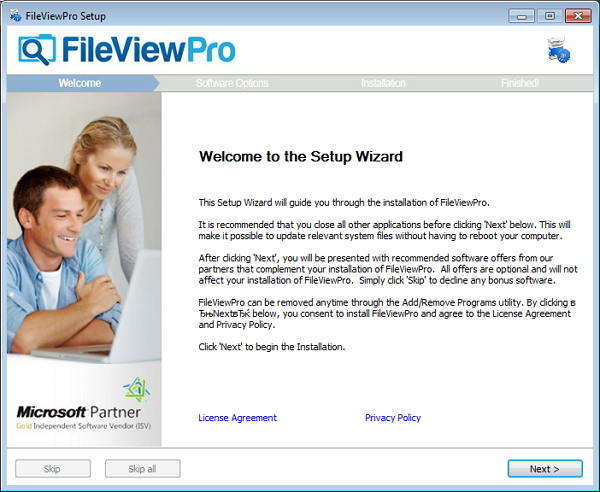
Since GSH files are typically application-specific, they usually cannot be opened properly without the program that created them. If you encounter a GSH file and want to inspect it, you can try opening it in a text editor to see whether it contains readable script code or configuration data. Otherwise, specialized file viewer software such as FileViewPro can help identify the internal structure of the file and determine which program is designed to handle it.

What Is an IMP File and How FileViewPro Can Open It

An IMP file is not one single universal file type. The `.imp` extension has been used by different software programs for different purposes, which means the extension alone is usually not enough to tell you exactly what the file contains. In some cases, an IMP file is simply an import file meant to move data into another program. In other cases, it may be tied to an older spreadsheet application like Lotus Improv, or it may be an internal asset or resource file used by specialized software or games. Because of that, the most important clue is not just the extension itself, but where the file came from and what software created it.

When an IMP file is used as an import file, it usually means the file was designed to bring information into a program rather than to be viewed directly like a normal document. An import file acts as a container of structured data that another application can read and load into its own system. It may contain records such as customer data, inventory, accounting details, settings, project information, or transaction logs. Some IMP files are plain text, so opening them in a text editor may reveal readable values, field names, or separators. Others are binary, which means they appear as unreadable characters because they were written in a machine-friendly format. In this sense, “import file” describes the file’s purpose more than its exact internal structure.

The reason this can be confusing is that different developers sometimes reuse the same extension for completely different formats. One program may use `.imp` as a data import file, while another may use it for something unrelated. That means two files with the same extension can have entirely different contents and require different software to open them. A good way to think about it is that the label `.imp` gives only a rough clue, not a full identification. To truly identify the file, you usually need context such as the source of the file, the application it came from, whether it opens as text, and whether it is stored beside other files belonging to a specific program.

One older and more specific use of the IMP extension is the Lotus Improv spreadsheet format. Lotus Improv was a discontinued spreadsheet program developed by Lotus, and it worked differently from the more familiar Excel-style spreadsheet model. Instead of focusing mainly on fixed cell references in a grid, Lotus Improv separated the data, the formulas, and the view of the data into more distinct layers. This design made it especially interesting for modeling and analysis, because users could reorganize the way information was displayed without rebuilding the whole spreadsheet logic. If an IMP file is from Lotus Improv, it may contain spreadsheet data, formulas, and layout information tied to that unique system. Since Lotus Improv is now obsolete, opening such files today is often difficult without old software, an emulator, or some kind of conversion process.

Another possible meaning of an IMP file is that it serves as an internal asset or resource file in a game or specialized application. In that context, the file may store things such as textures, interface graphics, sprites, images, animation data, model information, or other supporting resources that the software needs in order to run properly. Developers sometimes use custom extensions like `.imp` instead of standard formats such as PNG or JPG because they want the data packaged in a way their own engine understands. The file may contain raw image data, metadata, references to other resources, or multiple assets bundled together. These files are usually not meant to be opened directly by the user, which is why they often look like gibberish in a text editor and only work correctly inside the original software.

That is why identifying an IMP file usually starts with asking where it came from. If it was exported from business or database software, it is probably an import file. If it came from an old legacy spreadsheet environment, it might be a Lotus Improv file. If it sits inside a program folder with other unusual files, it may be an internal asset used by a game or application. In practical terms, the best approach is to find out what program created it, try opening it in a text editor to see whether it contains readable text, and avoid assuming that every IMP file is the same. The extension points you in a direction, but the real answer depends on the file’s source and structure. Here’s more info about IMP file extension stop by our own site. If you have a specific IMP file, details like its filename, folder location, file size, or the first few lines or bytes can help determine exactly what type of IMP file it is.