
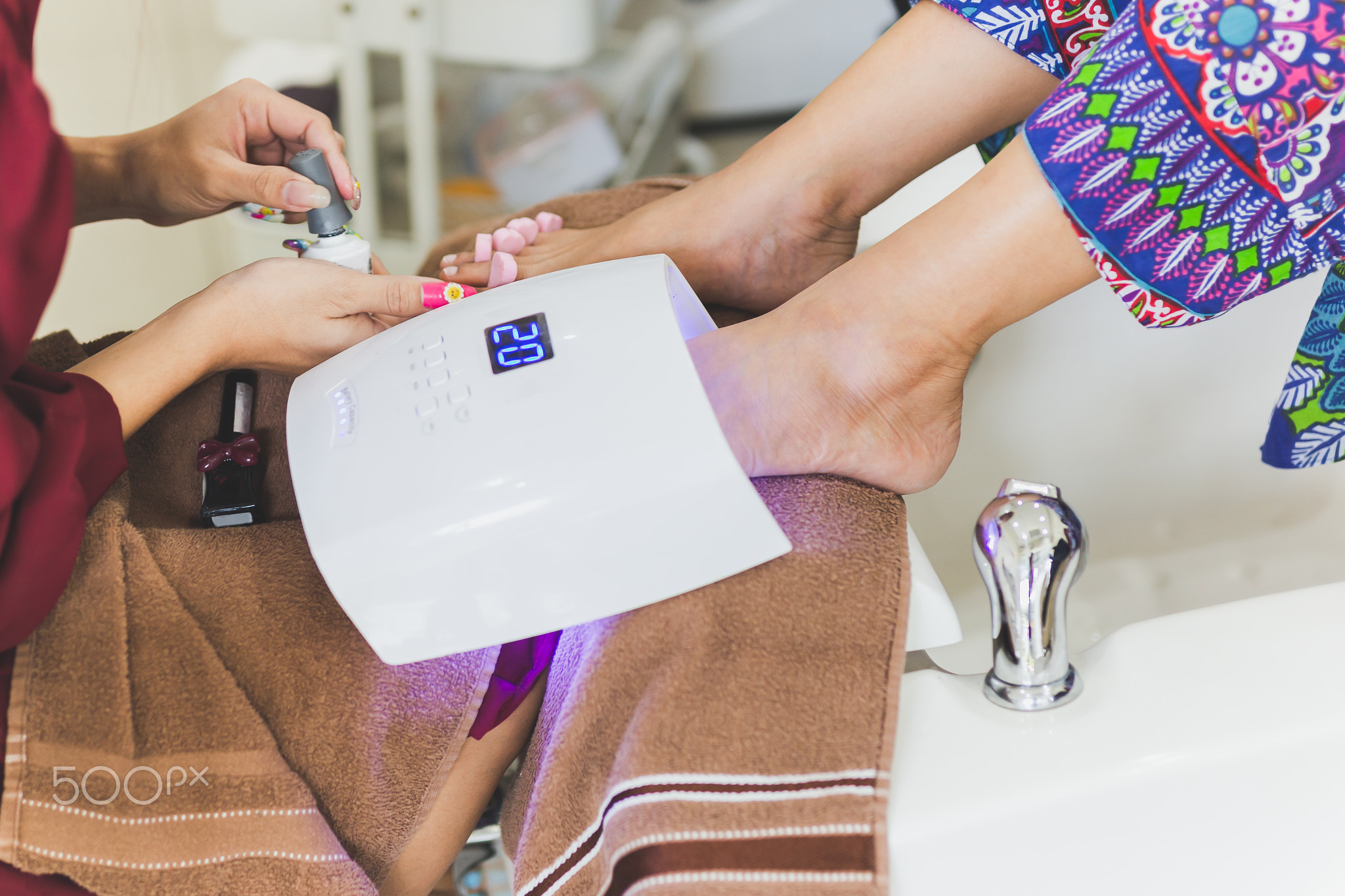
UV curing is a photochemical process that instantly hardens coatings, inks, adhesives, and resins — unlike conventional methods that depend on solvent evaporation or thermal activation, the reaction initiates the instant UV photons strike the surface. This shift slashes curing durations from prolonged intervals to just a few seconds.
The foundation of effective UV curing lies in the precise formulation of the material. These formulations contain specialized photoinitiators that, upon receiving targeted UV radiation, decompose into high-energy intermediates such as radicals or ions. These reactive fragments then initiate a rapid chain reaction that fuses low-molecular-weight units into a hardened, crosslinked matrix. No waiting is needed — the transformation is immediate, and it releases zero volatile organic compounds, making UV curing a sustainable coating technology.
Different systems utilize distinct light technologies, including mercury vapor lamps. Each system differs in power consumption, durability, and wavelength precision. LED UV systems are rapidly gaining dominance because they generate minimal heat, consume significantly less energy, and allow tunable wavelength output. The optimal light source is determined by the formulation’s photoinitiator profile.
It uniquely enables curing on thermally delicate materials, such as plastics, thin films, and circuit boards. The process operates at ambient or near-ambient temperatures, substrates remain dimensionally stable. Throughput increases significantly due to speed, minimizing storage zones for curing.
UV cured materials exhibit enhanced mechanical and chemical resilience. The crosslinked architecture resists abrasion, scratching, and impact. Offers superior chemical inertness. Provides long-term stability under sunlight. These properties make UV lacquer curing ideal for electronics, where failure is not an option.
Process stability depends on tight regulation of key factors. These include the power density and wavelength profile, curing time and dwell period, film build and application consistency, and shop floor environmental conditions. Maintenance schedules are critical to performance. Improper exposure causes incomplete polymerization, or over-curing, which may embrittle the material, both can trigger costly failures.
Innovations are accelerating in this field, driven by next-generation photochemical agents and advanced LED architectures. As manufacturers prioritize speed, cleanliness, and sustainability, UV curing remains a foundational technology. The fact that it cures instantly while being environmentally benign ensures its increasing integration into global manufacturing.