

An .890 file is not widely recognized format and generally depends on where it originated rather than the extension itself, because file extensions mainly help humans while the actual source identifies the file’s real role; numeric extensions like `.890` often indicate that the file wasn’t intended for direct user access and is linked to a certain program or system process, and when such a file comes from a website it’s often due to wrong labeling or server misconfiguration, meaning the file may really be a normal PDF, image, video, or ZIP that lost its proper extension, which can often be restored by renaming it to `.pdf`, `.zip`, `.jpg`, or `.mp4` to reveal what it truly is.
When an `.890` file is sent through email or messaging apps, it is rarely a genuine file format because these services sometimes rename attachments numerically or strip unknown extensions to maintain security, so the file is usually an everyday document or media item needing its correct extension; meanwhile, an `.890` file found in a software install folder or a user data area like AppData is typically internal app data that stores caching details, configuration entries, indexes, temporary files, or mini-databases, and such files shouldn’t be opened or altered manually, as the correct interaction is simply using the program that generated them.
Devices like cameras, DVRs, dashcams, and CCTV setups commonly use numeric extensions, and an `.890` file in those environments may represent raw video sections, metadata blocks, or indexing files that operate with others in the folder, meaning they require the maker’s official playback tool to reconstruct the recording; in medical or industrial systems, an `.890` file is typically tied to a proprietary data scheme storing scan slices, calibration sets, or session details that only make sense within the proper software, and trying to open it alone almost never results in anything meaningful because it is only one component of a larger dataset.
Sometimes an `.890` file is generated after a forced shutdown, crash, or power outage, and it is typically a temporary or recovery artifact created to preserve state, becoming obsolete once the program restarts smoothly—though removal should happen only after confirming the app runs fine; since `.890` isn’t a genuine format, you must inspect it, and opening it in Notepad helps reveal readable content, identifiers like `PDF`, `JFIF`, or `ftyp`, or binary data, while universal viewers can detect the real file type regardless of the extension.
In practical terms, an `.890` file is almost always either application-specific data or a misnamed standard file, since the extension alone carries no real meaning; once you know the file’s origin—whether a website, email, program, camera, or specialized system—you can determine whether it should be opened, renamed, handled by specific software, or simply ignored, and when an `.890` file comes from a website download, it is hardly ever an intentional format, usually appearing because something went wrong during the download, such as missing or incorrect HTTP headers that cause the browser to save the file with a numeric extension like `.890`, which often happens with dynamic downloads, misconfigured servers, or scripts that stream data without proper labeling.
Another common cause is interrupted or partial downloads, where a network issue, browser crash, or timeout cuts off the download and leads the browser to save the incomplete data under a generic or numeric extension; in these situations, the `.890` file often contains only part of the original content, explaining why it won’t open, and file size becomes a strong clue—very small `.890` files from websites are typically failed or incomplete downloads, while sites that generate files on the fly may produce such files if their backend script fails to finish properly, resulting in a PDF, image, ZIP, video, or spreadsheet that simply lost its correct extension.
Security mechanisms such as CDNs, firewalls, or site-level protections sometimes scramble file names and extensions to discourage direct retrieval or scraping, using numeric extensions meant only for internal consumption by the site’s own tools; when users download these files manually, they receive oddly labeled `.890` files not intended for standalone use, and browsers can worsen this when they fail to detect the correct MIME type, defaulting to meaningless extensions—a common scenario with older web systems, ad-hoc APIs, or misconfigured CMS setups—while the actual file content remains intact.
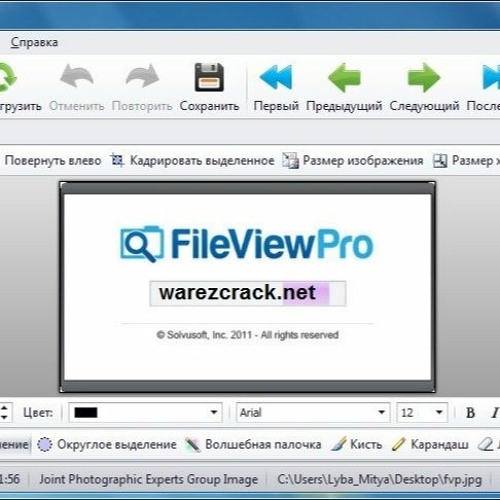 When you liked this article as well as you would like to be given more info concerning .890 file reader i implore you to check out our own website. For practical purposes, an `.890` file downloaded from the web is almost always a misnamed common file, and renaming a copy to something like `.pdf`, `.zip`, `.jpg`, or `.mp4` often reveals the correct format; if that doesn’t work, opening it in a text editor or universal viewer can uncover recognizable headers, and since such `.890` files nearly always reflect delivery or naming issues, identifying the true type generally allows normal opening, conversion, or re-downloading.
There are no comments