
Most people don’t think twice about tossing a jacket onto a hanger or cramming another shirt into an already-packed closet. But poor garment care habits quietly damage your clothes over time — stretching fabrics, distorting shapes, and shortening the lifespan of pieces you paid good money for. The good news? Most of these problems are easy to fix once you know what to look for.
This guide walks through the most common clothing storage and hanger-related issues, with practical solutions that work whether you’re dealing with a cramped entryway closet or a full walk-in wardrobe.
Why Your Clothes Keep Losing Their Shape
This is one of the most frustrating and misunderstood problems in garment care. You hang a blazer or winter coat properly, leave it for a few weeks, and come back to find stretched-out shoulders, a lumpy collar, or fabric that no longer sits right on your body.
The culprit is almost always the hanger itself. Thin wire hangers — the kind you get from dry cleaners — are among the worst offenders. They concentrate the entire weight of a garment onto two tiny points of contact, creating those telltale shoulder bumps that are nearly impossible to reverse. Heavy outerwear suffers most, but even lightweight knits can deform over time on the wrong hanger.
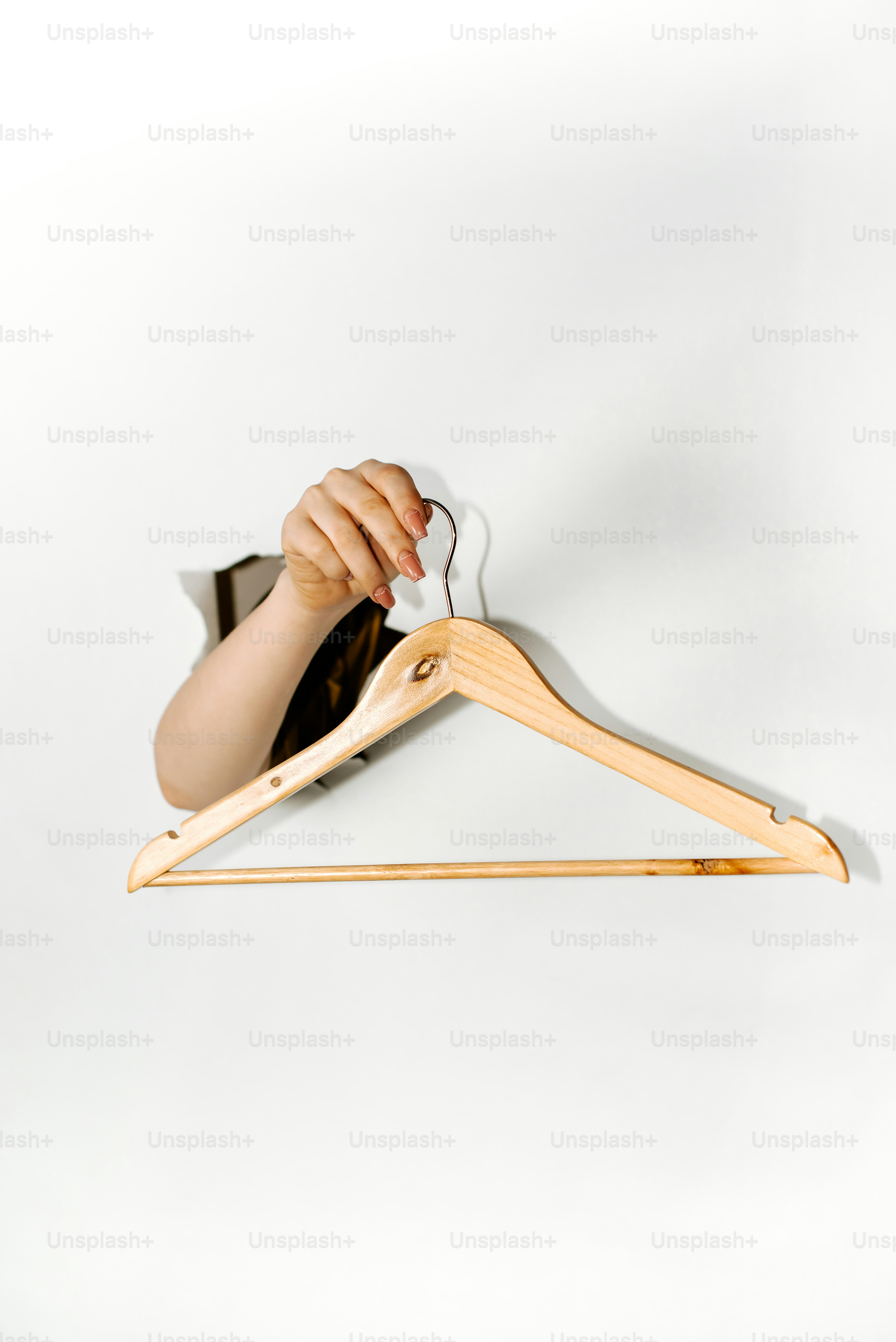
The fix is straightforward: match the hanger to the garment. Heavy-duty hangers with wide, contoured shoulders distribute weight evenly across the full shoulder line of a coat or jacket. Wooden coat hangers are particularly good for this, as their shape more closely mirrors the natural structure of a human shoulder. Understanding the different types of coat hangers and which materials and dimensions work for different clothing weights is genuinely worth your time — a good coat hanger size guide can help you identify what you actually need versus what you’ve just gotten used to using.
Closet Organization Problems That Silently Ruin Clothing
Overcrowding is the second biggest enemy of good garment storage. When clothes are packed too tightly together, airflow is restricted, fabrics rub against each other, and moisture gets trapped — creating conditions that encourage mildew, odor, and fabric pilling.
If you’re struggling with closet organization, the first step is a realistic audit of what you own versus what space you actually have. Seasonal rotation helps enormously. Off-season items — thick winter coats, heavy wool sweaters, and bulky outerwear — don’t need to live in your main closet year-round. Moving them to under-bed storage, garment bags, or a dedicated coat storage area frees up critical space for your everyday wardrobe.
Space-saving hangers are another practical solution. Slim velvet hangers take up significantly less rod space than bulky plastic ones, which means you can hang more without overcrowding. Cascading hanger clips let you stack multiple garments vertically on a single hook, which is especially useful in smaller closets. The key is making intentional choices about hanger types based on what each garment actually needs, not just grabbing whatever’s available.
Entryway Organization: The First Line of Defense
The entryway is where garment care often breaks down first. Coats, bags, and jackets get piled onto a single hook, dumped on chairs, or stuffed into an already-full closet because there’s no clear system in place. Over time, this creates a cycle of wrinkled outerwear, lost items, and a front-of-home area that feels chaotic.
Good entryway organization starts with having dedicated spots for the items that live there. A wall-mounted coat rack with enough individual hooks for each household member prevents the piling problem. If you have a small coat closet near the entrance, maximizing its layout with the right coat storage solutions — including proper clothing hangers for heavy outerwear — makes a significant difference. Resources like this one on entryway closet organization https://toughhook.weebly.com/blog/organizing-your-entryway-closet-coat-hanger-and-rack-basics #organize entryway closet offer practical guidance on making even small entry spaces work harder.
One often-overlooked tip: limit what actually lives in the entryway. Not every coat or jacket needs to be accessible at the front door. Keeping only current-season, frequently used items near the exit creates a cleaner system and reduces the daily chaos that damages clothes.
Wardrobe Organization Tips for Long-Term Garment Health
Beyond the mechanics of hanging and storage, there are a few wardrobe organization tips that pay dividends over time.
First, always let garments air out before hanging them. Putting on a hanger size for jackets while still warm from your body traps moisture inside the fabric, which leads to faster breakdown of fibers and unpleasant odors. A few minutes of airflow makes a real difference.
Second, don’t over-rely on dry cleaning. The chemicals used in dry cleaning are effective but harsh when used too frequently. For many garments, spot cleaning and proper airing are sufficient between wearings. This is especially true for structured coats and jackets that hold their shape well and don’t absorb odors easily.
Third, think about garment storage vertically, not just horizontally. Most closets are designed around horizontal hanging, but adding shelf dividers, stacking drawers, or upper-shelf bins creates additional layers of organized storage without requiring more physical space. Folded knitwear, accessories, and seasonal items all do better stored flat or in bins than hanging on rods where gravity works against them.
Finally, invest in a few quality heavy-duty hangers for your most valuable pieces. Not everything needs a premium hanger, but your structured coats, tailored blazers, and heavier outerwear will last noticeably longer when they’re properly supported.
Bringing It All Together
Good garment care isn’t complicated, but it does require a little intentionality. The most common problems — stretched shoulders, overcrowded closets, chaotic entryways, and mismatched hangers — all have practical, affordable solutions. By choosing the right hanger types for different garments, building a logical system for both closet organization and entryway storage, and giving your clothes the airflow and structure they need, you can significantly extend the life of your wardrobe. Small adjustments to how you store and hang your clothing now will save you money, frustration, and wardrobe disappointment for years to come.
There are no comments